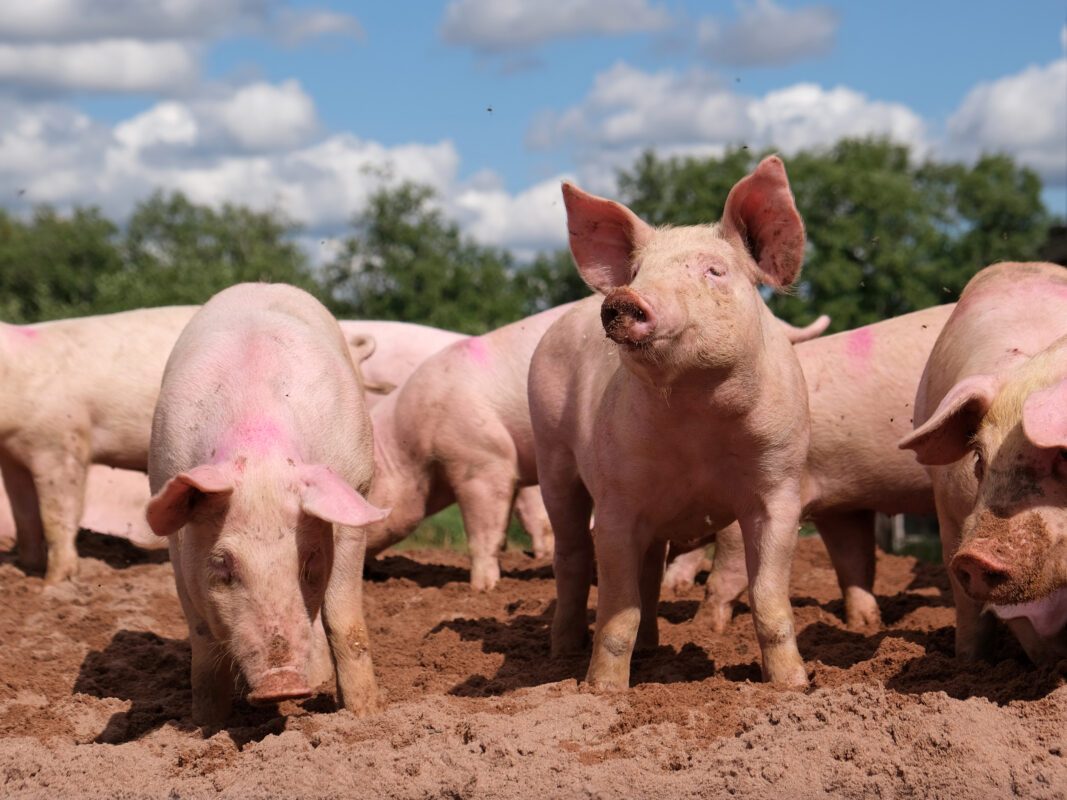



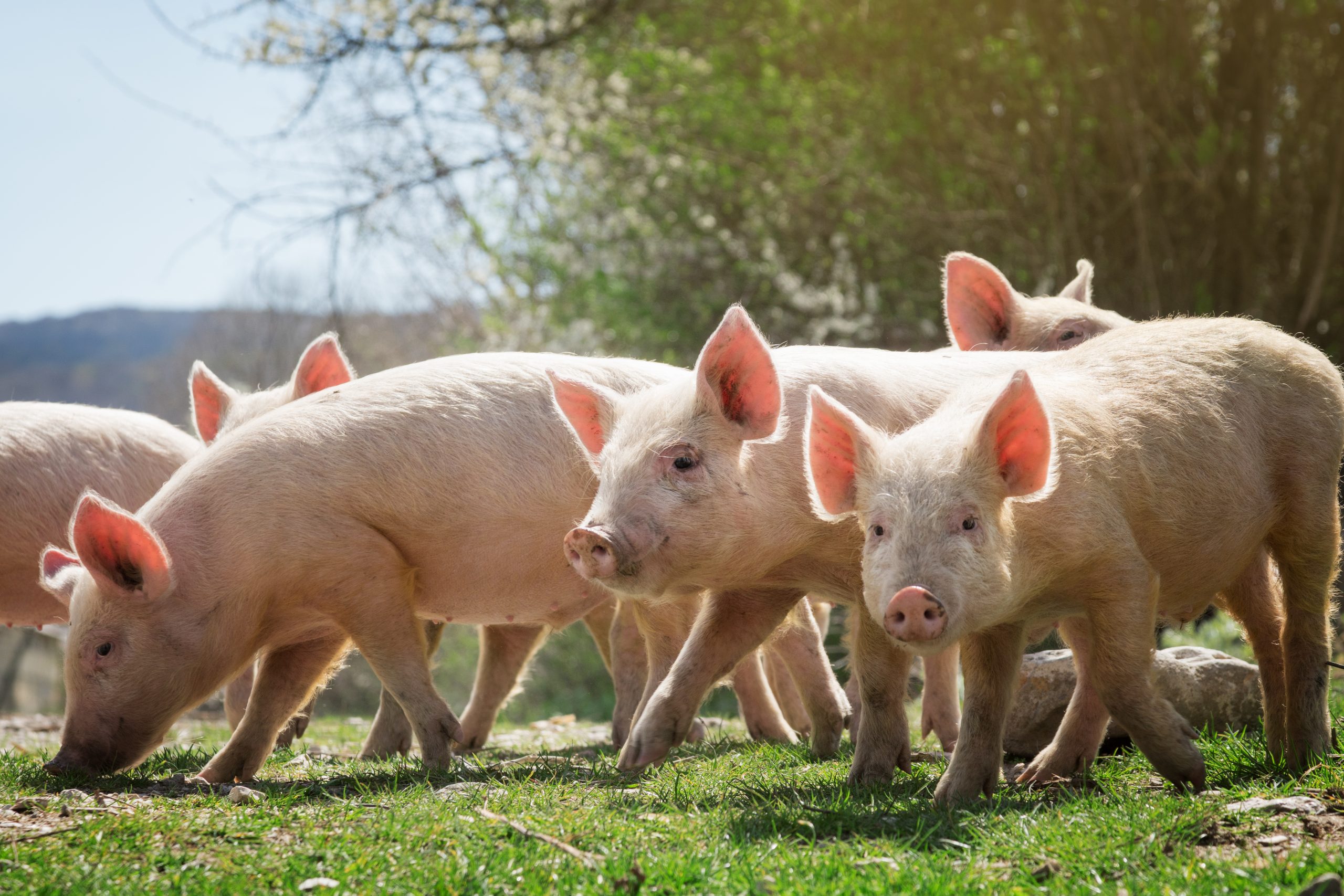
Catalonia has a herd of nine million pigs, concentrated in the regions of Osona and Lleida
Much has been said, measured and alerted of the contamination of aquifers by purines suffered by the areas of Catalonia where pig farms are concentrated. But the pollution that this mixture of urine with excrement causes in the atmosphere is not so well known., due to the elimination of nitrogen in the form of ammonia, mainly through urine.
In contact with the air—and beyond the smell that the slurry gives off—, Ammonia favors the generation of polluting particles that impact the health of people who breathe them., as occurs with NO2 emissions. Spain has not met the maximum thresholds for atmospheric ammonia emissions for years and is the only country in which emissions have not been reduced. Remember the informative portal Pollution. Barcelona, who has collected all this data, the magazine Naturepublished a satellite image showing how Catalonia is the main source of these emissions.
At the moment, In the community there are nine million pigs, whose farms are concentrated in the region of Osona and Lleida. The environmental organization Depana remembered it this week, who published the manifesto Not one more pig, where it calls for “drastic and urgent measures” to reduce the pollution they produce.
The general director of Environmental Quality of the Generalitat, Mercy Rivers, remember that the Government no longer authorizes new farms “in areas considered vulnerable”. And that in 2019 approved a decree on soil fertilization management that limits another source of ammonia emissions, What is fan spreading?, with big vats, slurry as fertilizer in crop fields. Admit the guilt, yet, that this pollution is a problem, as shown that “the smallest particles have been reduced in urban areas and, instead, in rural areas they increase or remain the same”.
The CSIC researcher Xavier Querol points out that the problem of ammonia emissions from slurry “is European in scope and affects a sector that has evolved very little.”, while the industry has gotten its act together”. The expert identifies large livestock facilities as major sources of emissions., that with swine fever in China they increased their production, and the aforementioned application of slurry as fertilizers. In the case of farms, reducing emissions involves ventilating them, do not accumulate slurry and take care of the pigs' feeding, to reduce the amount of excrement. Querol also alludes to recent studies that have demonstrated the impact that particles have on vegetation from three milligrams per cubic meter.: “In Osona, peaks of more than 30 milligrams”, newspaper.
From Union of Farmers, the person in charge of the pig sector, Rosend Saltiveri, agrees that “it is necessary to act” against the pollution caused by the sector, and in the specific case of ammonia emissions, remembers the entry into force of the fertilization decree, and that if any farmer is not capable of managing the manure generated by his farm, he must reduce his herd.
Saltiveri adds, besides, that last week, The Ministry of Agriculture approved a Royal Decree on the management of the pig sector that includes measures to reduce ammonia and greenhouse gases on farms., how to empty the pits inside the farms at least once a month and choose between emptying them twice a week or covering the outside ponds where the slurry accumulates. “The objective should not be to reduce cabins but emissions, “We need help and time to do it.”, concludes.